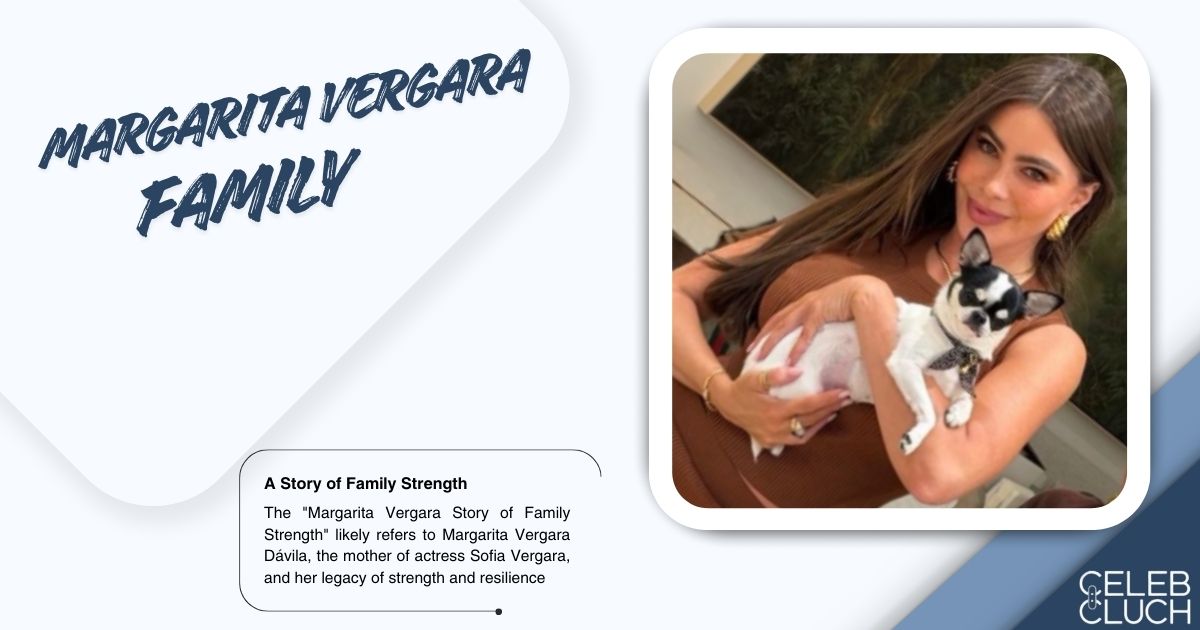
Ever wonder who stands behind a superstar? Margarita Vergara Dávila De Vergara represents that invisible force—the mother who shaped one of television’s brightest personalities. While her daughter Sofía Vergara dazzles millions worldwide, Margarita chose a different path. She built something more enduring than fame. She created a family foundation so solid that it launched her children toward extraordinary achievements.
This isn’t just another celebrity background story. It’s about how Colombian heritage, unwavering maternal support, and traditional family values can transform ordinary lives into extraordinary legacies.
Bio
| Category | Details |
|---|---|
| Full Name | Margarita Vergara Dávila De Vergara |
| Known For | Mother of actress Sofía Vergara; Family matriarch |
| Birthplace | Barranquilla, Colombia |
| Nationality | Colombian |
| Residence | Barranquilla, Colombia |
| Ethnicity | Colombian (Latin American heritage) |
| Cultural Background | Caribbean Colombian traditions and values |
| Marital Status | Married |
| Spouse | Julio Enrique Vergara Robayo |
| Spouse’s Profession | Cattle rancher / industry professional |
| Number of Children | Five (5) |
| Famous Child | Sofía Margarita Vergara Vergara (actress) |
| Primary Role | Traditional housewife and homemaker |
| Parenting Style | Nurturing, values-based, supportive |
| Core Values | Family unity, hard work, Colombian heritage, education |
| Religious Background | Roman Catholic (traditional Colombian faith) |
| Languages Spoken | Spanish (native) |
| Public Profile | Intentionally private; avoids media spotlight |
| Media Appearances | Rare; occasionally seen at family celebrations |
| Family Size | Managed household of 7 (parents + 5 children) |
Who Exactly is Margarita Vergara Dávila De Vergara?
Margarita Vergara Dávila De Vergara rarely appears in tabloids. She doesn’t walk red carpets or give interviews. Yet her influence ripples through every accomplishment her famous daughter achieves. As the mother of Sofía Vergara—the vivacious actress who captured hearts in “Modern Family”—Margarita embodies the quiet power of maternal dedication.
Born and raised in Barranquilla Colombia, she experienced a childhood steeped in vibrant traditions. The city pulses with energy during its world-famous carnival. Music fills the streets. Families gather in bustling markets. This wasn’t just a backdrop—it was the cultural foundation that would later shape her parenting philosophy.
Unlike her celebrity daughter, Margarita values privacy over publicity. She’s the matriarch who prefers family gatherings to media attention. Her name carries weight not because of fame but because of the family strength she cultivated behind closed doors. Those who know the Vergara family dynamics understand: Margarita is the glue holding everything together.
The Colombian lifestyle she embraced prioritized family ties above individual glory. In a culture where extended families often live under one roof and Sunday dinners are sacred, Margarita learned early that success means nothing without people to share it with.
A Glimpse into Margarita’s Background
Picture Barranquilla in the mid-20th century. The Caribbean port city buzzed with commerce and culture. Street vendors called out their wares. Children played fútbol in dusty streets. Families maintained traditions passed down through generations. This was Margarita’s world—a nurturing environment where community meant everything.
Her upbringing followed traditional Colombian patterns. Women managed households with military precision. Men provided through hard work. Children learned respect, discipline, and the importance of education. These weren’t just rules—they were the moral compass guiding every decision.
Colombian heritage shaped her worldview profoundly. She witnessed how her parents balanced strictness with affection. How they sacrificed personal desires for children’s futures. How they maintained dignity despite economic challenges. These lessons became her blueprint for motherhood.
The rich traditions of Barranquilla instilled something else in Margarita: resilience. Coastal Colombians face hurricanes and flooding. They endure economic instability. Yet they celebrate life with unmatched enthusiasm. This duality—strength tempered with joy—became Margarita’s signature as a parent.
Her background also emphasized cultural identity. Being Colombian meant taking pride in heritage while remaining adaptable. Speaking Spanish at home while embracing modernity. Honoring ancestors while building new legacies. This balance would later help her children navigate between two worlds.
The Family Life of Margarita Vergara Dávila De Vergara
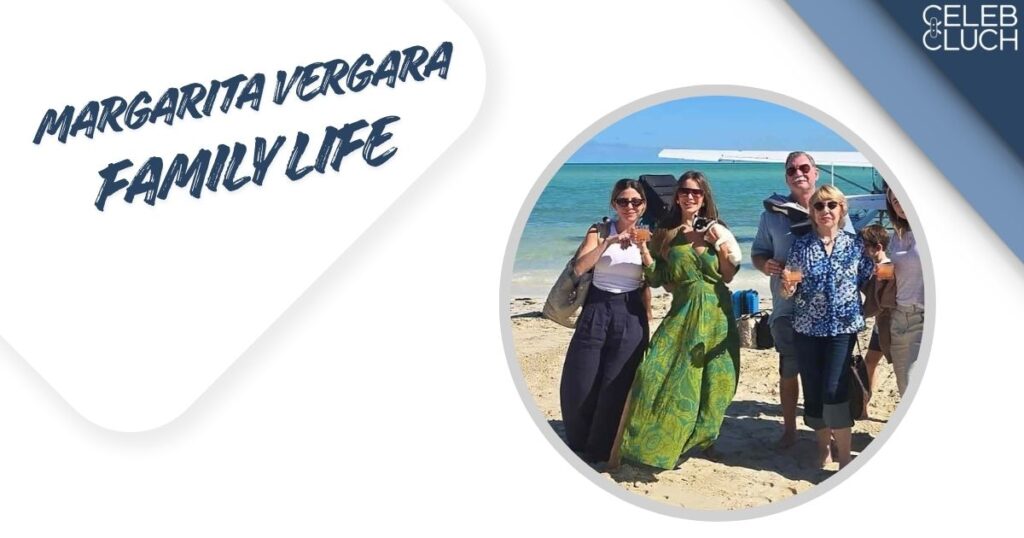
When Margarita married Julio Enrique Vergara Robayo, she partnered with a man who understood hard work. His career in Colombia’s cattle industry demanded long hours and physical labor. Together, they embodied the work ethic that defines successful Latin American families.
Their household wasn’t quiet. Five children filled their home with laughter, arguments, and endless energy. Imagine the daily chaos: preparing meals for seven people, managing school schedules, mediating sibling rivalries, and maintaining order. Yet Margarita orchestrated this symphony with grace.
Family Ties of Margarita
Family connectedness defined the Vergara household. Margarita didn’t just raise children—she cultivated relationships. Each child received individual attention despite the household’s bustling nature. She recognized Sofía’s dramatic flair early. She noticed another child’s academic talents. She celebrated every unique personality.
Sunday dinners became legendary in their home. The entire family gathered around a table laden with Colombian delicacies. Conversation flowed freely. Laughter erupted spontaneously. These weren’t just meals—they were investments in family bonds that would survive distance and time.
Margarita understood something crucial: supportive bonds don’t form accidentally. She created traditions deliberately. Birthday celebrations involved the entire family. Holidays followed elaborate rituals. Even mundane weekends included shared activities. This intentional togetherness built the emotional resilience her children would need later.
Margarita’s Life in Barranquilla
The vibrant city of Barranquilla wasn’t merely their address. It was their identity. The annual carnival taught them to celebrate boldly. The coastal heat demanded adaptation. The community warmth showed them hospitality’s value.
Growing up in this cultural hub gave the Vergara children something special: confidence rooted in belonging. They knew their neighbors. They participated in local festivals. They absorbed the city’s infectious energy. This environment nurtured Sofía’s natural charisma—that magnetic presence that would later captivate television audiences worldwide.
Barranquilla’s multicultural atmosphere exposed them to diversity early. The port city attracted people from various backgrounds. This cosmopolitan flavor prepared them for international success. They learned that differences enrich rather than divide.
Margarita’s Private Life
While Sofía embraced the global spotlight, Margarita deliberately chose shadows. She attends family events but avoids photographers. She celebrates her daughter’s success privately. She maintains friendships away from media scrutiny.
This wasn’t accidental. Margarita understood that not everyone needs public validation. Her fulfillment came from cherished privacy—from being present without being seen. Sofía often shares how her mother is the first person she calls with news. That direct connection matters more than any magazine feature.
Her secluded existence actually strengthens her influence. Without public personas to maintain, she remains authentic. Her advice comes from genuine concern, not image management. This authenticity keeps her children grounded despite fame’s intoxicating effects.
Role as a Traditional Housewife
The term “traditional housewife” often gets dismissed today. Yet Margarita’s domestic role was neither simple nor insignificant. Managing a household of seven requires organizational genius. Creating a nurturing household environment demands emotional intelligence. Maintaining family stability takes relentless dedication.
She operated as the family’s home manager—coordinating schedules, managing finances, solving problems, and providing emotional support. While Julio worked in the cattle industry, Margarita ensured their home functioned smoothly. This division of labor reflected their Colombian cultural identity, where defined roles created harmony rather than resentment.
Her dedication established the supportive home environment that allowed her children to pursue ambitious dreams. They knew someone always had their back. They understood home meant safety. This security became their launching pad toward success.
The Indispensable Role as a Mother
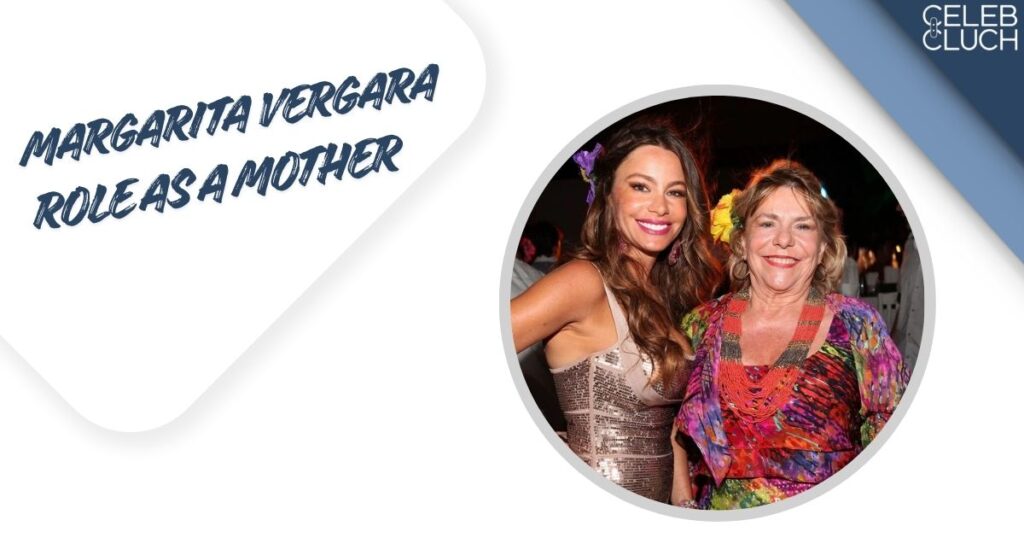
Motherhood transformed Margarita into something extraordinary. She wasn’t just a caring parent—she was a strategist, cheerleader, and mentor combined. When Sofía initially pursued dentistry, Margarita recognized the mismatch between profession and passion. She encouraged her daughter to follow her heart into modeling and acting.
This maternal support required courage. Encouraging a daughter to enter entertainment instead of stable dentistry seemed risky. Yet Margarita trusted her instincts about Sofía’s talents. That leap of faith changed everything.
She balanced firmness with flexibility masterfully. Rules maintained order, but she adapted when circumstances demanded. This approach taught her children discipline without crushing creativity. They learned boundaries while exploring possibilities.
Influence, Values, and Unyielding Support
Margarita’s legacy extends beyond individual achievements. She transmitted values-based parenting that shaped character. Hard work wasn’t optional—it was expected. Education mattered tremendously. Family loyalty trumped everything else. These weren’t empty platitudes but lived principles.
The guiding principles she instilled created a moral foundation for navigating life’s complexities. When Sofía faced Hollywood’s pressures, these values kept her grounded. When opportunities conflicted with integrity, she chose character. This reflects Margarita’s enduring influence.
Her life lessons emphasized resilience over perfection. Mistakes became learning opportunities. Failures taught perseverance. This mindset prepared her children for industries where rejection is constant.
Margarita’s Legacy Through Sofía’s Spotlight
Sofía Vergara frequently acknowledges her mother’s impact. Interviews reveal how Margarita Vergara Dávila remains her confidante and compass. Despite international fame, Sofía maintains the family-first mentality her mother modeled.
The mother-daughter relationship demonstrates how behind-the-scenes strength manifests publicly. Sofía’s warmth with fans? That’s Margarita’s hospitality. Her work ethic? That’s her parents’ example. Her pride in Colombian roots? That’s her mother’s teaching.
This generational legacy proves that true success stories always trace back to supportive maternal roles. While cameras focus on Sofía’s achievements, those who understand family-driven success recognize Margarita’s silent influence in every triumph.
Conclusion
Margarita Vergara Dávila De Vergara never sought fame. She built something far more valuable: a family foundation strong enough to support extraordinary dreams. Through Colombian family values, unwavering maternal dedication, and intentional family strength, she created a legacy that transcends generations.
Her story reminds us that influence doesn’t require visibility. Sometimes the most powerful forces operate quietly, shaping futures without demanding credit. In a world obsessed with spotlight, Margarita chose substance over show—and changed everything.